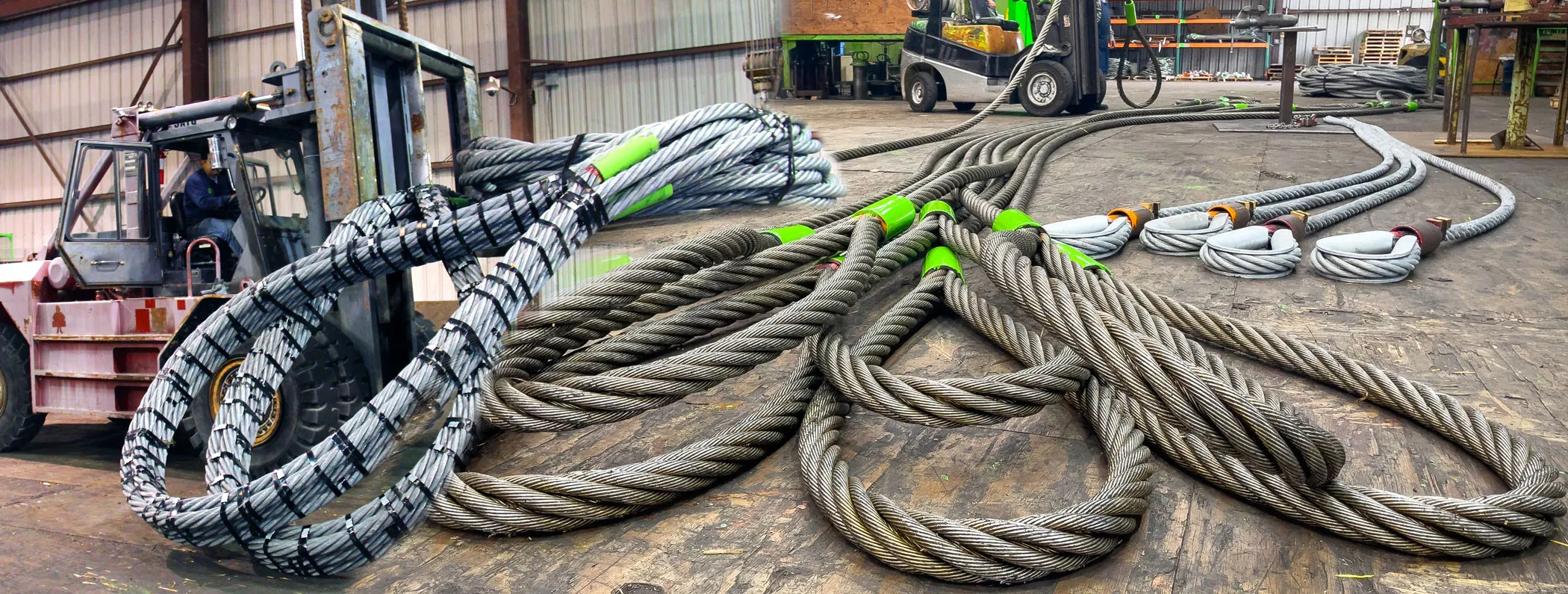
In the fast-paced and high-stakes environment of construction, having the right tools can make all the difference. Among the many essential components on a job site, high-performance rope stands out as a critical asset. Whether lifting heavy materials, securing scaffolding, or ensuring worker safety, construction rope plays a foundational role in ensuring the smooth and secure operation of daily activities.
Table of Contents
- The Role of High-Performance Rope in Construction
- Understanding Rope Construction and Material Choices
- Product Spotlight: Polyester Double Braided Pulling Rope with Splice Pulling Eyes
- Choosing the Right Construction Rope for Your Needs
- Where to Buy Rope That Matches Industry Demands
- Product Spotlight: Double Braid Composite Rope
The Role of High-Performance Rope in Construction
Enhancing Safety Standards
Safety is the cornerstone of any successful construction project. High-quality rope serves as a reliable safeguard in numerous scenarios, from rigging to anchoring. A properly rated durable rope can bear substantial loads and endure environmental stress, helping prevent accidents caused by material slippage or breakage. When workers trust the rope they’re using, they’re more confident in completing tasks that involve working at heights or maneuvering heavy objects.
Supporting Heavy Lifting and Load Management
Modern construction projects often demand the handling of bulky materials such as steel beams, piping, or prefabricated panels. Construction rope is engineered to support these needs by distributing weight evenly and resisting strain over time. In tasks like hoisting and winching, the rope’s tensile strength and abrasion resistance are vital to sustaining productivity without compromising on safety.

Get the Strength You Can Trust
Upgrade your site safety & performance with premium construction rope from CoastLine Cordage Group. built for durability, engineered for results.
Understanding Rope Construction and Material Choices
The Importance of Durable Rope Materials
Not all ropes are created equal, and material composition is a major differentiator. Polyester and composite materials are often favored for their weather resistance, strength retention, and low stretch. These characteristics are particularly valuable on sites exposed to varying weather conditions or where ropes are used repeatedly for heavy-duty tasks.
Rope Construction Techniques and Their Benefits
When discussing rope construction, the term refers to how the rope is braided or twisted, directly affecting its strength, flexibility, and durability. Double braided ropes, for example, feature an inner core and outer sheath that work together to handle high tension while minimizing wear and tear. This design ensures a longer service life and better performance under repeated stress, making them a preferred choice in the construction of rope for demanding applications.
Product Spotlight: Polyester Double Braided Pulling Rope with Splice Pulling Eyes
This high-performance rope is a game-changer for professionals who demand strength, reliability, and ease of use on the job. The Polyester Double Braided Pulling Rope with Splice Pulling Eyes offers a perfect blend of flexibility and ruggedness, making it ideal for electrical pulling, utility work, and general construction tasks. The pre-spliced pulling eyes enhance setup time and reduce the need for knots, which can weaken the rope’s structural integrity.
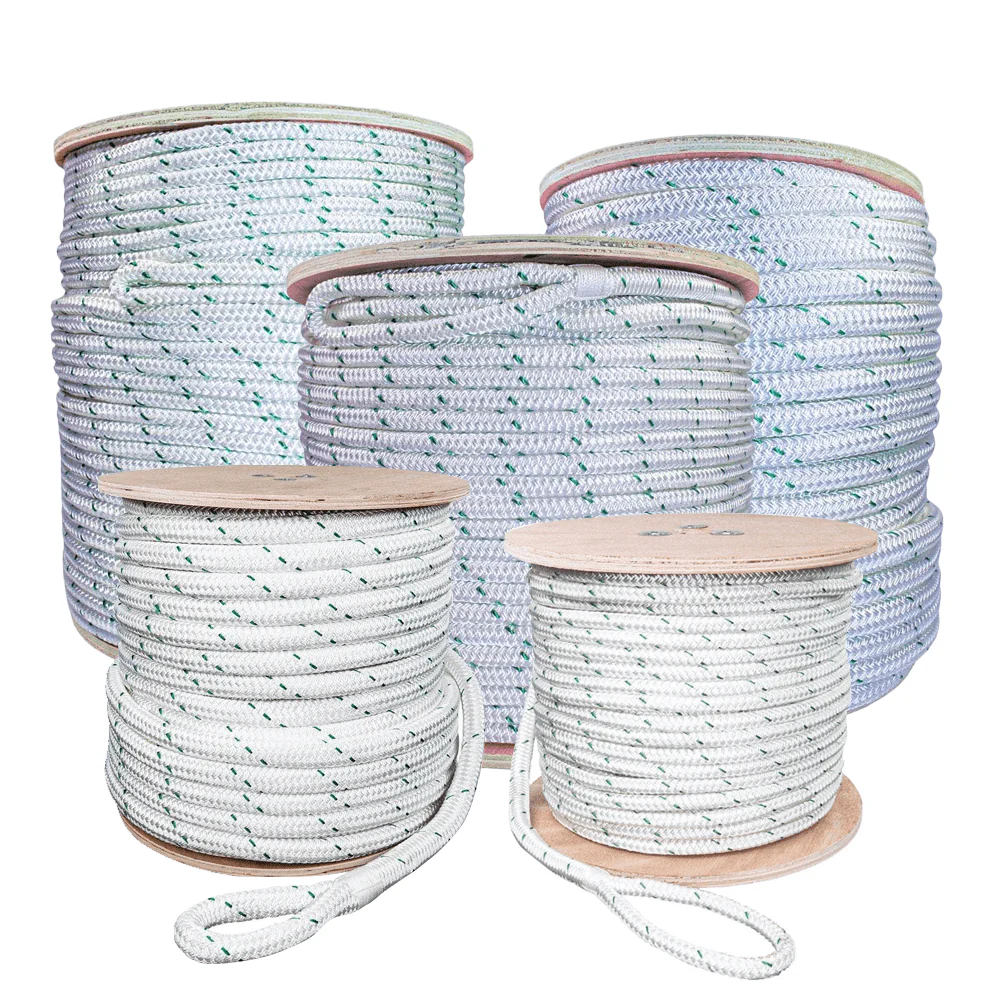
Key Features:
- Double braided polyester for high strength and minimal stretch
- Splice pulling eyes for quick, secure connection
- Resistant to abrasion, moisture, and UV damage
- Suitable for a wide range of construction and pulling applications
Choosing the Right Construction Rope for Your Needs
Factors to Consider Before Purchase
Selecting the right construction rope involves evaluating the rope’s load capacity, material type, environmental resistance, and application. Does the job involve moisture or UV exposure? Will the rope be used for lifting, securing, or both? Answering these questions helps determine whether you need a synthetic fiber rope, such as polyester or composite, and what diameter and length are suitable for your operation.
Common Mistakes to Avoid
A common mistake in construction projects is underestimating the load capacity required or selecting the wrong rope type for the task. Using general-purpose rope where a high quality rope is needed can lead to early wear, fraying, or even failure during critical operations. Always match the rope specification to its intended use, and avoid cutting corners on quality.
Where to Buy Rope That Matches Industry Demands
Finding Reputable Suppliers
Contractors and procurement officers often wonder where to buy rope that lives up to expectations in terms of quality, availability, and compliance. Trusted industrial suppliers or manufacturers specializing in construction materials are usually the best places to start. Look for vendors who offer certification, load test data, and material breakdowns to ensure you’re getting a reliable product.
Online vs Local: What’s Best for Construction Projects?
While local suppliers provide the advantage of immediate pickup and in-person inspection, online vendors often offer greater variety, detailed product specifications, and competitive pricing. For large-scale or specialized projects, online platforms might be the better choice due to broader inventory and access to performance-tested ropes. However, ensure you’re purchasing from verified sellers with positive reviews and clear return policies.
Product Spotlight: Double Braid Composite Rope
Built for maximum endurance and flexibility, the Double Braid Composite Rope is engineered to meet the demands of high-tension applications. Combining a tough exterior with a responsive inner core, it performs well under dynamic loads and challenging environments. It’s especially useful for rigging, securing heavy loads, and handling tasks that require both strength and maneuverability.

Key Features:
- Strong composite fibers for superior tension and flexibility
- Double braid construction enhances abrasion resistance
- Suitable for both temporary and long-term use in construction
- Maintains strength even in wet or chemically exposed environments
FAQs
What makes high-performance rope different from regular rope?
High-performance rope is specifically engineered with stronger materials and more advanced techniques. It offers greater load capacity, resistance to environmental factors, and extended durability compared to standard rope.
Can I use the same rope for lifting and securing materials?
Not always. Lifting typically requires ropes with higher tensile strength and specific safety ratings, while securing may allow for more flexibility. Always choose ropes based on their rated applications.
What’s the advantage of double braided rope in construction?
Double braided ropes offer higher strength and durability due to their core-sheath design. They handle stress more efficiently and are more resistant to abrasion and environmental degradation.
Where is the best place to buy construction rope online?
Reputable industrial supply websites, construction equipment vendors, or specialized rope manufacturers offer high-quality options with full product details, ratings, and certifications.
Conclusion
In the construction world, where safety, strength, and efficiency intersect, high-performance rope is not just a tool—it’s a necessity. From supporting the load of a steel beam to securing a worker’s safety line, the right rope ensures every task is executed with confidence. Whether you’re upgrading your current gear or equipping a new job site, choosing the correct construction rope backed by quality construction and proven performance is an investment in both safety and productivity. With products like the Polyester Double Braided Pulling Rope and the Double Braid Composite Rope, you’re not just buying a rope—you’re securing the backbone of your construction operations.