




A missing tooth can affect comfort, confidence, and everyday routines such as eating and speaking. Although several tooth-replacement options are available, dental implants in Palmdale patients consider may provide stable support for a crown, bridge, or full-arch restoration. Knowing what happens at each stage can help people make informed decisions and prepare for treatment with realistic expectations.
Table of Contents
- Why Dental Implants Are Considered for Missing Teeth
- Step 1: Schedule a Comprehensive Consultation
- Step 2: Treat Existing Oral Health Concerns
- Step 3: Determine Whether Bone Grafting Is Needed
- Step 4: Place the Implant Post
- Step 5: Allow Time for Osseointegration
- Step 6: Attach the Abutment and Final Restoration
- Understanding Cost and Financial Planning
- Caring for an Implant After Treatment
- Questions to Ask Before Choosing Dental Implants Palmdale Treatment
- Conclusion
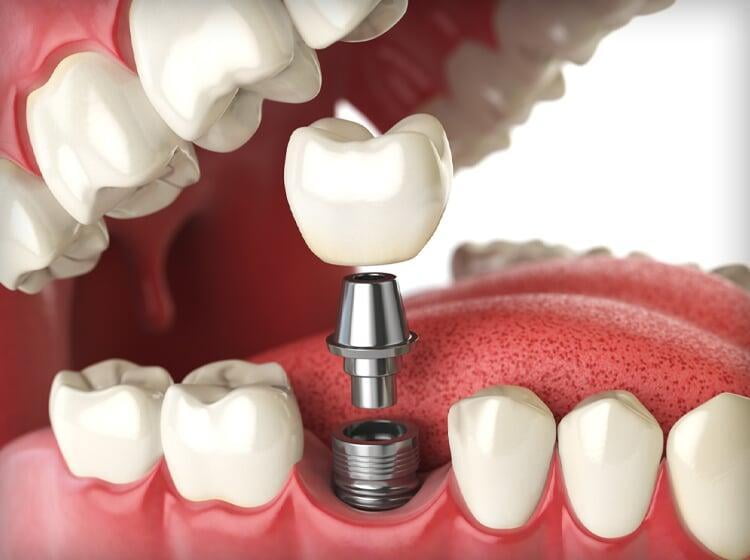
An implant is a small biocompatible post placed in the jawbone to replace the root of a missing tooth. Patients searching for dental implants near them can learn more about this tooth replacement option and decide whether it suits their needs. After healing, the implant can support a custom restoration that is shaped and shaded to blend with the surrounding smile. Every treatment plan is different, so a professional evaluation is the most reliable way to determine the appropriate approach.
Why Dental Implants Are Considered for Missing Teeth
Tooth loss may occur because of injury, decay, gum disease, or a failed tooth restoration. Replacing the tooth can help restore chewing function and prevent nearby teeth from shifting into the open space. In many suitable cases, dental implants in Palmdale can replace both the root and visible portion of a tooth, creating a stable foundation for long-term restoration.
Unlike a removable appliance, an implant is anchored in the jawbone. It may also avoid altering healthy teeth beside the gap when replacing a single missing tooth. However, implants are not automatically the right choice for everyone. Dentists must carefully review gum condition, jawbone support, medical history, bite forces, and oral hygiene habits.
Potential benefits of implant treatment include:
- Improved stability while chewing and speaking
- A replacement tooth that looks natural within the smile
- Support for the jawbone in the missing-tooth area
- Options for replacing one tooth, multiple teeth, or a full arch
- A fixed alternative to some removable tooth-replacement options
Step 1: Schedule a Comprehensive Consultation
The first visit is the foundation of the treatment process. The dentist reviews the patient’s goals, medical history, medications, existing oral health concerns, and the reason for tooth loss. The dentist then performs a clinical examination and takes digital X-rays or three-dimensional imaging when needed.
These images help the dental care team assess bone height, width, nerve location, sinus position, and the best possible placement area. This level of planning is important because implant treatment should be based on the patient’s unique anatomy rather than a general template.
An implant dentist in Palmdale should explain the findings clearly and discuss all relevant options. Patients should understand whether an implant is appropriate, what preparation may be needed, and how treatment can be planned around their goals and timeline.
Step 2: Treat Existing Oral Health Concerns
Healthy gums and a stable oral environment support successful healing. Before implant placement, the dentist may recommend treatment for active gum disease, tooth decay, infection, or damaged restorations.
For example, inflammation around the gums should be addressed before surgery. At Farzad Dental, the treatment plan may include extraction and healing before placing an implant if a tooth needs to be removed. In some situations, the implant can be placed at the time of extraction, but this depends on bone quality, infection status, and the specific location in the mouth.
Taking time to manage these concerns can help create a healthier foundation for the next stage.
Step 3: Determine Whether Bone Grafting Is Needed
The jawbone naturally receives stimulation from tooth roots. When a tooth has been missing for a long time, the bone in that area may gradually lose volume. If there is not enough healthy bone to secure the implant, grafting may be suggested.
Bone grafting adds material to support the development of bone in the treatment area. Healing time varies based on the type of graft, the amount of support needed, and the patient’s individual response. Not every patient requires this step, which is why diagnostic imaging is essential.
Treatment recommendations and timelines vary according to oral health, bone condition, medical history, and the type of restoration needed. A detailed consultation helps patients understand whether grafting is necessary before proceeding.
Book an appointment to discuss your smile, oral health concerns, and treatment goals with a dental professional. Get clear answers, personalized recommendations, and a plan that supports your comfort, health, and confidence today.
Step 4: Place the Implant Post
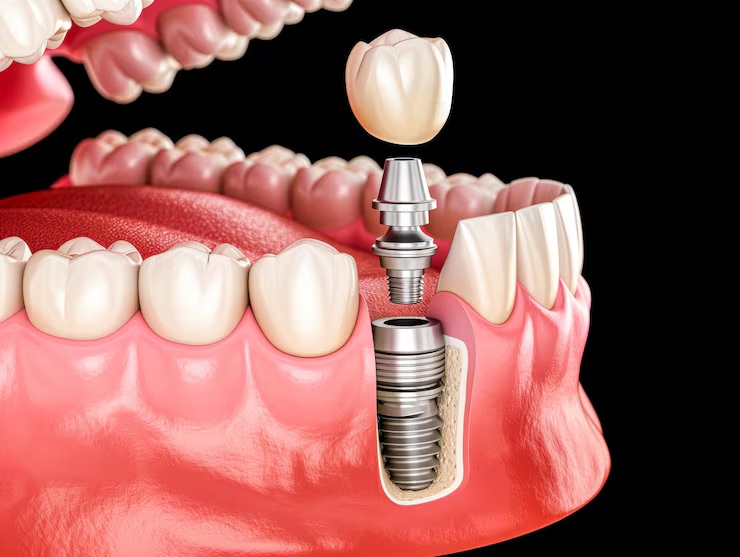
During implant surgery, the dentist places the implant post into the jawbone beneath the gumline. Local anesthetic is commonly used, and sedation may be available when clinically appropriate for anxious patients or more complex procedures.
After placement, the gum tissue heals around the implant. Most patients receive specific instructions on medication, food choices, oral hygiene, and activity levels during early recovery.
Mild swelling, tenderness, or discomfort is normal for a short time after surgery. Following the care instructions and attending scheduled follow-up appointments can support a smoother recovery.
Step 5: Allow Time for Osseointegration
Following surgery, the implant needs time to bond with the jawbone. This natural process is called osseointegration. It allows the implant to become a stable base for the visible replacement tooth.
Healing can take several months, depending on the implant’s location, bone density, whether grafting was performed, and the person’s overall healing response. Some patients may receive a temporary restoration during this period, while others may wait until the implant has fully integrated.
The goal is not to rush treatment. Proper healing helps the final restoration handle daily chewing forces more predictably.
Step 6: Attach the Abutment and Final Restoration
Once the implant has integrated with the bone, the dentist places an abutment. This small connector sits between the implant post and the visible crown, bridge, or denture.
Digital scans or impressions then create the final restoration. The shape, shade, and bite are carefully planned so the replacement tooth fits comfortably and functions naturally. A final adjustment appointment may be needed to ensure that the restoration feels right during biting and chewing.
People searching for the best dental implants near them should consider more than a general claim or a low advertised price. A successful result depends on accurate diagnostics, experienced treatment planning, quality materials, a properly fitted restoration, and consistent follow-up care.
Understanding Cost and Financial Planning
Implant treatment costs can vary because every case has different clinical needs. The total estimate may include the examination, diagnostic imaging, extraction, bone grafting, surgical placement, abutment, final restoration, and follow-up appointments.
When people search online for dental implants cost near them, the figures they find may not reflect the full treatment process. Asking for a written estimate after the consultation can clarify what is included.
Patients may also wish to ask about:
- The number of implants required
- Whether grafting or extraction is necessary
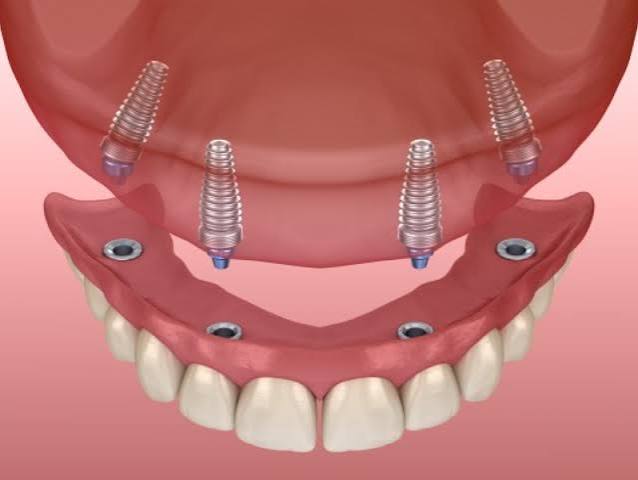
- The restoration type, such as a crown, bridge, or implant-supported denture
- Available payment options or financing plans
- Anticipated follow-up and maintenance costs
Clear communication about cost helps patients plan confidently and avoid unexpected expenses.
Caring for an Implant After Treatment
Dental implants require daily care, just like natural teeth. Although the implant itself cannot develop a cavity, the surrounding gum tissue and bone must remain healthy. Inflammation around an implant can affect its long-term stability if it is not identified and managed early.
A practical care routine includes brushing twice daily, cleaning between teeth as advised, attending professional cleanings, and avoiding tobacco products. Patients who grind or clench their teeth may also benefit from a protective nightguard.
Evaluate any persistent bleeding, swelling, pain, looseness, or bite changes promptly. Regular examinations allow the dentist to monitor the implant, restoration, gum tissue, and bite over time.
Questions to Ask Before Choosing Dental Implants Palmdale Treatment
A consultation should give patients enough information to make a comfortable decision. Useful questions include:
- Am I a suitable candidate for an implant?
- Do I need an extraction, bone graft, or other preparation?
- How long will my treatment take?
- What type of final restoration do you recommend?
- What does the estimate include?
- How should I care for my implant after treatment?
A qualified dentist in Palmdale can review these questions, explain the benefits and limitations of available options, and create a plan based on the patient’s needs rather than a one-size-fits-all approach.
Frequently Asked Questions
How long does the dental implant process take?
The complete process may take several months because the implant needs time to integrate with the jawbone. Cases involving extractions or bone grafting may require additional healing time.
Is dental implant placement painful?
Local anesthetic is used during placement, so patients should not feel pain during the procedure. Mild soreness or swelling afterward is common and is usually managed with personalised aftercare instructions.
Can implants replace several missing teeth?
Yes. Depending on oral health and bone support, implants can support a crown, a bridge, or an implant-supported denture for several missing teeth.
How long can dental implants last?
With good oral hygiene, regular professional care, and healthy gum tissue, implants can be a long-term tooth-replacement option. The visible crown or restoration may need maintenance or replacement over time.
Conclusion
Understanding the dental implant process in Palmdale can make treatment feel more straightforward. From the initial consultation through surgical placement, healing, and final restoration, each step supports a stable, functional result. Farzad Dental can help patients understand their options and develop an implant plan based on their oral health, goals, and treatment needs.
Patients in Palmdale and nearby Quartz Hill can find the Dental Office through the Map, making it easier to view the practice location and plan a convenient consultation visit.