


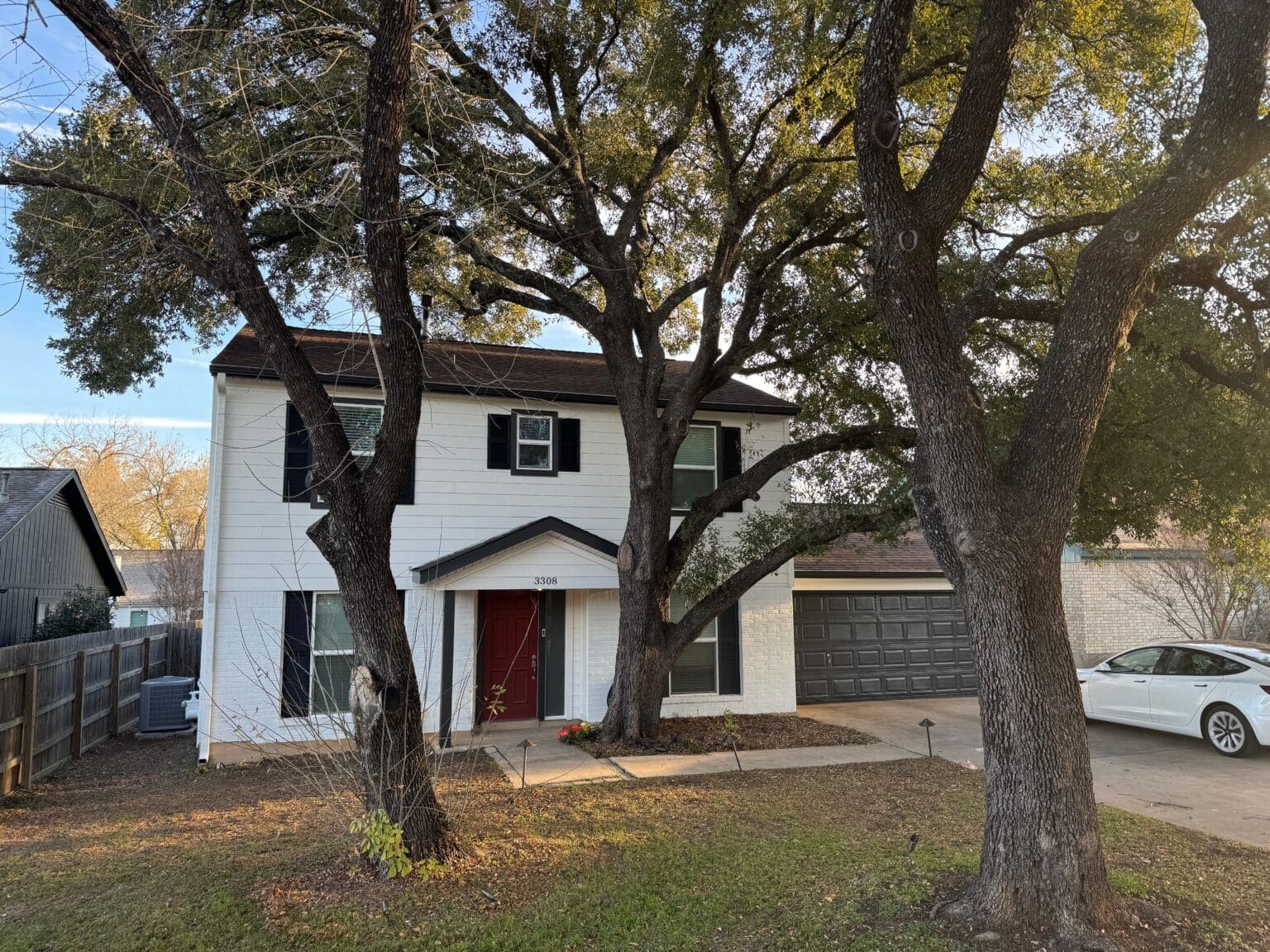
A home’s exterior siding protects against heat, moisture, wind, pests, and changing weather while supporting insulation and indoor comfort. Cracks, warping, rot, mould, fading, or water marks may signal hidden deterioration. When these problems affect several areas, siding replacement in Austin, TX may be more practical than repeated maintenance. A professional inspection can identify underlying damage and determine whether fiber cement siding is suitable for lasting exterior protection and improved curb appeal.
Table of Contents
- Why the Condition of Your Siding Matters
- 1. Cracked, Loose or Missing Siding Panels
- 2. Warping, Buckling or Bulging Boards
- 3. Rot, Mould or Fungal Growth
- 4. Peeling Paint or Interior Water Marks
- 5. Rising Energy Use and Uneven Indoor Temperatures
- 6. Frequent Repainting and Persistent Color Fading
- 7. Visible Gaps, Pest Activity or Repeated Maintenance Problems
- How to Confirm Whether Replacement Is Necessary
- Choosing Fiber Cement Siding for an Austin Home
- What to Expect During the Replacement Process
- Frequently Asked Questions
- 1. How long does residential siding normally last?
- 2. Can only one damaged section be replaced?
- 3. Is fibre cement siding suitable for hot conditions?
- 4. Will new siding improve energy efficiency?
- 5. What should homeowners ask a siding contractor?
- 6. Can siding be replaced during any season?
- 7. How can homeowners identify hidden moisture damage?
- Frequently Asked Questions
- Conclusion
Why the Condition of Your Siding Matters
Well-installed siding helps control moisture, supports insulation, and protects the structure beneath it. It can also improve a property’s street appeal and make exterior maintenance easier.
For homeowners considering siding replacement in Austin, TX, base the decision on the material’s condition, the extent of hidden damage, and the expected performance of a new system. A qualified inspection can clarify whether you can address isolated sections or whether the full exterior has reached the end of its useful life.
Here are seven signs that it may be time to replace aging siding.
1. Cracked, Loose or Missing Siding Panels
A small crack in one panel may appear harmless, but openings in the exterior surface allow water, insects, and airborne debris to reach the underlying wall system. Cracks can gradually widen as the material expands and contracts during temperature changes.
Loose boards may also move during strong winds, weakening nearby panels and fasteners. Missing sections leave the weather-resistant barrier directly exposed to the elements.
When Does Cracking Require More Than Maintenance?
One damaged board may be addressed individually if the surrounding material remains sound. However, cracks appearing across several walls often indicate widespread aging or material failure. In this situation, arranging siding replacement in Austin, TX, can provide more consistent protection than repeatedly addressing isolated areas.
Homeowners should examine corners, joints, window edges, and sections near rooflines, as these areas are particularly vulnerable to water entry.
2. Warping, Buckling or Bulging Boards
Siding should sit flat and securely against the exterior wall. Warped, buckled, or bulging sections suggest that the material or the structure behind it has been affected.
Possible causes include:
- Prolonged moisture exposure
- Incorrect fastening or insufficient spacing
- Deteriorated sheathing
- Rot in the timber framing
- Poor ventilation behind the siding
A raised section that appears soft or unstable may indicate moisture damage underneath. Austin home should avoid pressing or removing damaged panels and instead arrange a professional inspection.
3. Rot, Mould or Fungal Growth
Rot is one of the clearest indications that exterior materials are no longer keeping moisture away from the building envelope. It may appear as soft timber, crumbling edges, dark patches, or areas that break apart when touched.
Mould or fungal growth on the surface does not automatically mean the entire exterior must be replaced. It may result from dirt, shade, or insufficient airflow. However, recurring growth after cleaning can suggest an ongoing moisture problem.
When deterioration extends beneath several panels, siding replacement in Austin, TX, may be necessary to expose and address the affected wall components. Covering the damaged area without correcting the source of moisture could trap water and allow decay to continue.
Look Beyond the Visible Surface
Water can travel behind cladding before appearing indoors. An experienced contractor should assess the weather barrier, sheathing, insulation, and framing rather than relying solely on a surface-level examination.
4. Peeling Paint or Interior Water Marks
Exterior siding problems sometimes show up inside the home first. Peeling paint, bubbling wallpaper, discolored plasterboard, or unexplained water stains near external walls may indicate moisture intrusion.
These symptoms can also have other causes, including plumbing leaks or roofing problems. A careful inspection is therefore important before deciding on a solution. Homeowners should avoid assuming that repainting the affected wall will resolve the underlying issue.
A professional siding installation company in Austin can examine vulnerable joints, penetrations, flashing, and panel transitions to identify where water may be entering. Accurate diagnosis reduces the risk of completing unnecessary work or leaving concealed damage untreated.
5. Rising Energy Use and Uneven Indoor Temperatures
Aging or damaged siding can reduce thermal performance, especially when moisture has affected the insulation behind it. Rooms along external walls may become noticeably warmer during hot weather or harder to keep comfortable throughout seasonal changes.
Examining the wall assembly before siding replacement in Austin, TX, helps identify moisture damage and address gaps around windows and doors before installing new material. However, unexplained increases combined with visible exterior damage deserve further investigation.
Higher energy use alone does not prove that the siding has failed. Windows, doors, air leaks, insulation levels, and heating or cooling equipment may also affect household energy consumption. Proper residential siding installation can help maintain more stable indoor temperatures, particularly when insulation and air-sealing concerns are addressed during the project.
6. Frequent Repainting and Persistent Color Fading
Quality siding should retain a consistent appearance for a reasonable period when it is maintained according to the manufacturer’s guidance. If paint begins peeling, cracking, or fading soon after each application, the underlying material may no longer provide a stable surface.
Strong sunlight can naturally affect exterior colors over time. Uneven fading, however, may make a property look older and can point to inconsistent material performance. Persistent peeling may also indicate moisture movement behind the paint.
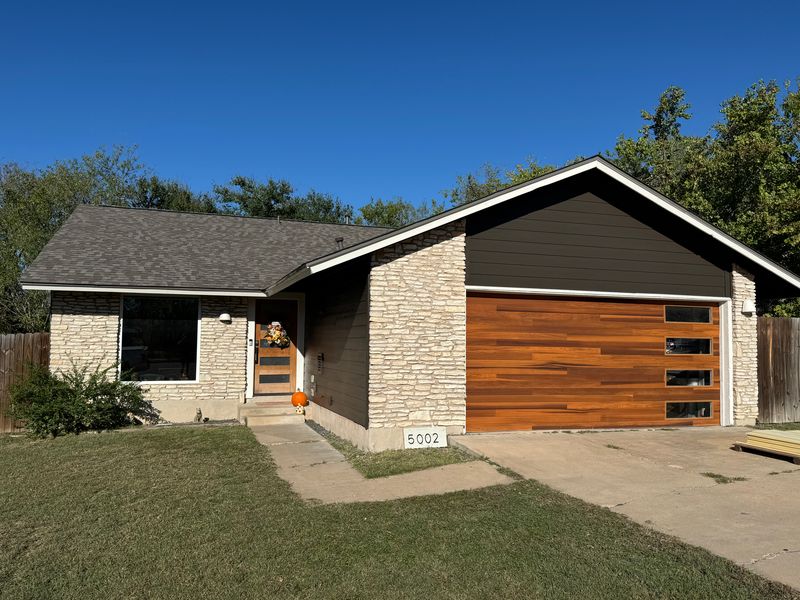
Homeowners exploring exterior siding installation in Austin should consider more than color alone. Texture, profile, moisture management, maintenance requirements, and compatibility with the building’s architecture all influence long-term results.
Genuine Texas Exteriors provides James Hardie fiber cement siding, which offers homeowners a durable exterior option in a range of styles and colors. Product selection should still account for the home’s condition, design, and installation requirements.
7. Visible Gaps, Pest Activity or Repeated Maintenance Problems
Open joints and gaps around panels can create entry points for insects and other pests. Homeowners may notice nesting material, scratching sounds, droppings, or damage near corners and lower wall sections.
Gaps may develop because of incorrect installation, impact damage, movement within the structure or deterioration of the original material. Sealant can help with some minor joints, but it should not be treated as a permanent answer for widespread separation.
If several parts of the exterior require regular attention, siding replacement in Austin, TX, may be more economical than continuing with temporary measures. New siding cannot fix every pest or moisture issue on its own, but a well-planned installation can close vulnerable openings and restore the protective exterior system.
How to Confirm Whether Replacement Is Necessary
A visual inspection from ground level is a useful first step, but it may not reveal concealed deterioration. Homeowners should arrange a professional assessment when damage affects multiple walls or when indoor moisture appears.
A thorough siding assessment should consider:
- The age and condition of the existing material
- Cracks, movement, and damaged fasteners
- Moisture readings in suspicious areas
- The state of the sheathing and wall framing
- Flashing around doors, windows, and roof intersections
- Ventilation and drainage behind the cladding
- Compatibility between replacement materials and the existing structure
Accurate measurements can support clearer material planning and more informed quotations. Genuine Texas Exteriors uses measurement technology to help determine exterior wall areas and define the scope of a siding project.
Choosing Fiber Cement Siding for an Austin Home
Fiber cement siding is manufactured from a combination of cement, sand, and cellulose fibers. It is commonly selected for its strength, dimensional stability and ability to reproduce the appearance of traditional timber profiles.
Contractors should carefully follow the manufacturer’s installation requirements. James Hardie fiber cement products offer multiple styles and color choices. Nevertheless, performance depends on correct storage, cutting, clearances, fastening, flashing and finishing.
The condition of the wall behind the existing siding also matters. Even a high-quality new product cannot perform as intended if it is installed over rotted sheathing, damaged framing, or unresolved moisture entry. The project scope should include any necessary substrate preparation before fitting new panels.
What to Expect During the Replacement Process
A well-organized project usually begins with an exterior evaluation and accurate measurement. The contractor should then discuss material options, color preferences, preparation requirements, timelines, and the handling of unexpected damage.
The main stages generally include:
- Inspecting and measuring the exterior walls
- Selecting an appropriate siding product and profile
- Protecting landscaping and nearby property features
- Removing the existing cladding carefully
- Examining the exposed sheathing and framing
- Addressing damaged underlying materials where required
- Installing the weather barrier, flashing and new siding
- Completing the finishing work, painting, and site cleanup
- Conducting a final walkthrough
Before work begins, homeowners should request a written scope explaining what is included, how concealed damage will be managed and which product and workmanship warranties apply.
Frequently Asked Questions
1. How long does residential siding normally last?
Its lifespan depends on the material, installation quality, weather exposure and maintenance. Fibre cement can provide long-term performance when it is installed and maintained according to the manufacturer’s requirements.
2. Can only one damaged section be replaced?
Yes, localized replacement may be practical when damage is limited and a compatible product is available. Full replacement may be more suitable when cracking, rot, fading or moisture problems affect several elevations.
3. Is fibre cement siding suitable for hot conditions?
Fiber cement is widely used in areas exposed to heat and strong sunlight. Proper clearances, fastening, flashing, and finishing remain essential for reliable performance.
4. Will new siding improve energy efficiency?
New siding replacement may contribute to better thermal performance when air gaps, moisture damage, and insulation deficiencies are addressed during installation. The exact improvement depends on the complete wall system and the home’s existing energy performance.
5. What should homeowners ask a siding contractor?
Ask about relevant experience, product options, manufacturer requirements, written project scope, preparation work, waste removal, warranties, and how concealed structural damage will be handled.
6. Can siding be replaced during any season?
Installation can be completed during different seasons, but severe weather may affect scheduling, surface preparation, or painting. Contractors should account for product requirements and forecast conditions when planning the work.
7. How can homeowners identify hidden moisture damage?
Possible clues include musty odors, interior staining, soft exterior boards, recurring mould and swollen trim. Moisture testing and selective panel removal may be required to confirm the extent of the problem.
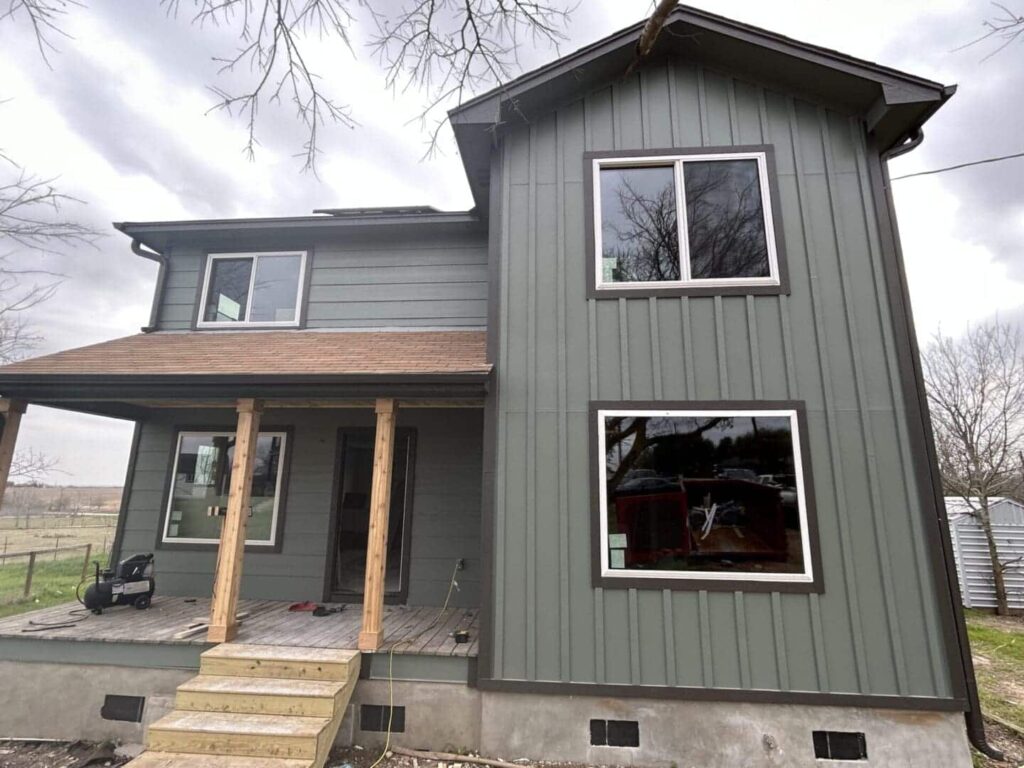
Conclusion
Damaged siding should not be judged by appearance alone. Cracks, warping, rot, interior water marks, temperature changes, repeated repainting, and pest entry can indicate that the exterior barrier is no longer performing correctly.
A professional assessment can distinguish minor maintenance concerns from widespread deterioration. When homeowners need siding replacement in Austin, TX, choosing appropriate materials and addressing concealed damage can help protect the building envelope. For fiber cement options and a well-planned project, we can help homeowners choose the right next step.
Looking to refresh your Austin home’s exterior? View Genuine Texas Exteriors on Google Maps for directions and learn more about professional siding services that support lasting protection and improved curb appeal.