



Modern systems generate more heat than ever before. From high-density computing environments to industrial automation equipment, thermal management has become one of the most important factors affecting system stability and long-term performance. Among the most effective thermal technologies available today, coldplate loops have emerged as a reliable option for managing heat in compact, high-performance electronic systems. These systems provide direct and efficient heat transfer while supporting improved energy management and operational reliability.
Table of Contents
- Understanding Coldplate Loops
- Why Advanced Systems Need Better Cooling?
- Benefits of Coldplate Loops in Cooling
- The Role of Custom Coldplate Loops
- Applications of Coldplate Loops
- Factors That Influence Coldplate Loop Performance
- The Growing Demand for Advanced Cooling Solutions
- Choosing the Right Coldplate Loop Solution
- Conclusion
Understanding Coldplate Loops
A coldplate loop is a specialized thermal management system that removes heat from sensitive electronic components via liquid circulation. Instead of relying solely on airflow, a reputable liquid cooling loop transfers heat through coolant channels embedded inside a cold plate. The coolant absorbs thermal energy from processors, power electronics, batteries, or industrial components before dissipating it to a heat exchanger or radiator. This process allows electronics to maintain stable operating temperatures even under continuous heavy workloads.
How a Liquid Cooling Loop Works
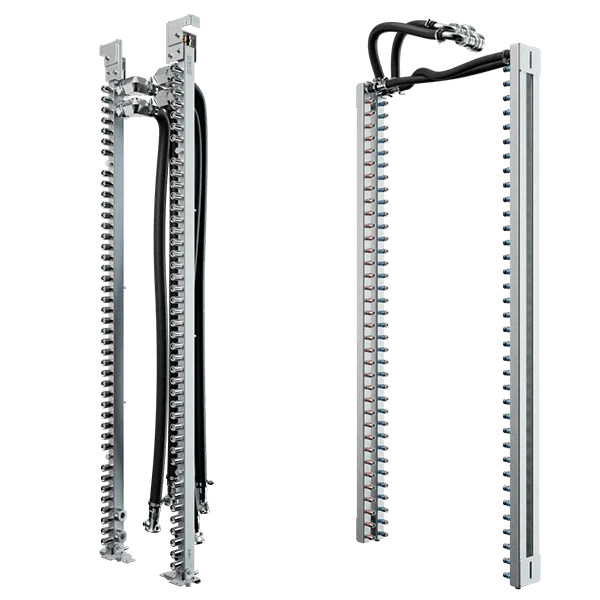
A typical liquid cooling loop includes several integrated components:
- Cold plates
- Pumps
- Tubing
- Heat exchangers
- Coolant reservoirs
- Sensors and monitoring systems
The coolant travels through the coldplate loop assembly, continuously absorbing and releasing heat as it circulates. This creates a controlled cooling cycle that is far more efficient than standard fan-based systems. Because liquid transfers heat more effectively than air, these systems can support higher power densities while reducing thermal stress on sensitive components.
Why Advanced Systems Need Better Cooling?
As devices become more powerful and compact, thermal output continues to rise. High-performance processors, AI hardware, industrial control systems, and advanced networking equipment all generate concentrated heat loads that can reduce operational efficiency.
Without proper cooling, excessive temperatures may lead to:
- Reduced processing performance
- Component degradation
- Shortened equipment lifespan
- System instability
- Increased maintenance requirements
Coldplate loops help solve these issues by delivering targeted thermal management directly at the heat source.
Benefits of Coldplate Loops in Cooling
Improved Heat Transfer Efficiency
One of the main advantages of coldplate loops is their ability to remove heat rapidly and consistently. Liquid coolant absorbs heat more efficiently than air, allowing systems to maintain lower operating temperatures during demanding workloads. This enhanced heat transfer helps prevent thermal throttling while improving overall system performance.
Compact Cooling Design
Many advanced systems operate in space-constrained environments where large airflow systems are impractical. Coldplate loop assembly solutions support compact equipment designs while still delivering strong cooling performance. This makes them ideal for dense server environments, industrial enclosures, and embedded systems.
Enhanced System Reliability
Stable temperatures are essential for long-term reliability. Frequent overheating can weaken solder joints, damage components, and increase operational risks. By maintaining controlled thermal conditions, custom coldplate loops help reduce wear on critical hardware while improving operational consistency.
Lower Noise Levels
Traditional air-cooled systems often require multiple high-speed fans to manage heat. These fans can generate significant noise and consume additional power. A liquid cooling loop reduces dependence on large airflow systems, resulting in quieter operation and improved energy efficiency.
The Role of Custom Coldplate Loops
Not all systems have identical cooling requirements. Different applications demand different thermal capacities, fluid routing strategies, and material selections. This is where custom coldplate loops become especially valuable.
Tailored Thermal Performance
Custom solutions allow engineers to optimize coolant flow paths and thermal contact areas based on specific heat loads. This improves cooling efficiency while ensuring even heat distribution across critical components.
Flexible Integration
Custom cold plate design services support a wide range of configurations for manufacturers and industrial applications. These systems can be integrated into compact devices, modular platforms, or large-scale infrastructure environments.
Better Material Selection
Material choice plays an important role in cooling efficiency. Many systems rely on a copper cold plate design because copper offers excellent thermal conductivity and long-term durability. Copper cold plates provide rapid heat transfer while supporting corrosion resistance and mechanical strength for demanding applications.
Applications of Coldplate Loops
Coldplate loop technology supports a wide variety of industries and electronic environments.
High-Performance Computing
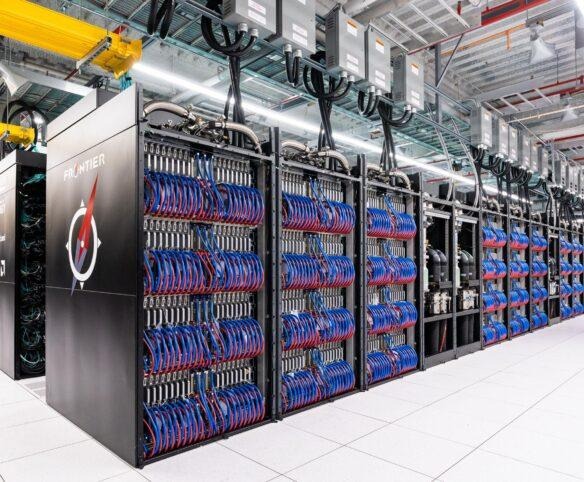
Modern computing systems process enormous amounts of data, generating significant thermal loads. Coldplate loops help maintain stable temperatures in processors, GPUs, and accelerator hardware used for AI and data-intensive workloads.
Industrial Equipment
Manufacturing systems and automation equipment often operate continuously in demanding conditions. Reliable thermal control helps protect power electronics and control systems from overheating.
Telecommunications Infrastructure
Networking equipment and communication systems require dependable cooling to maintain uninterrupted operation. Liquid cooling loop systems improve thermal stability in high-density networking environments.
Power Electronics
Power conversion systems and energy storage technologies generate concentrated heat during operation. Coldplate loop assembly solutions help improve thermal management while supporting operational efficiency.
Factors That Influence Coldplate Loop Performance
Several design considerations affect how effectively a cooling system performs.
Coolant Flow Rate
The speed at which coolant circulates impacts heat transfer efficiency in Canada. Balanced flow rates help maximize cooling without increasing unnecessary energy consumption.
Cold Plate Geometry
Internal channel design directly affects heat absorption and coolant movement. Optimized flow paths improve thermal contact and reduce resistance.
Thermal Interface Materials
Thermal interface materials improve contact between components and cold plates, helping heat transfer more efficiently into the cooling system.
System Monitoring
Modern cooling systems often include sensors that track coolant temperature, pressure, and flow conditions. Monitoring improves operational safety and allows preventive maintenance.
The Growing Demand for Advanced Cooling Solutions
The demand for advanced thermal management continues to grow as computing power increases across industries. AI infrastructure, edge computing, and high-density electronics are driving greater adoption of liquid cooling technologies.
Coldplate loops are becoming a preferred solution because they offer scalable cooling performance without requiring excessive airflow or large equipment footprints. Organizations seeking long-term reliability and improved energy efficiency are increasingly investing in custom cold plate design services to support evolving thermal demands.
Choosing the Right Coldplate Loop Solution
Selecting the right cooling configuration depends on several operational factors:
- Heat load requirements
- Equipment size limitations
- Coolant compatibility
- Thermal performance goals
- Environmental operating conditions
Working with experienced providers can help ensure that system designs align with application requirements and long-term operational needs. Companies such as CoolIT Systems continue to advance high-efficiency liquid cooling technologies through innovative thermal management solutions.
Conclusion
Coldplate loops have become an essential part of advanced cooling, providing efficient, reliable, and scalable thermal management for modern high-performance systems. Advanced liquid cooling loop solutions also help reduce energy waste while enabling compact and high-density system designs. For organizations exploring advanced thermal solutions, working with experienced providers and using navigation directions to access direct coldplate loops can simplify the path toward more efficient cooling infrastructure. Industry innovators like CoolIT Systems continue to shape the future of precision cooling through advanced engineering and scalable liquid cooling technologies.
FAQs
What are coldplate loops used for in cooling systems?
Coldplate loops are used to remove heat from high-performance components through liquid-based thermal transfer. These systems help maintain stable operating temperatures in processors, industrial equipment, networking equipment, and power systems.
How do custom coldplate loops improve cooling efficiency?
Custom coldplate loops are designed around specific thermal requirements and equipment layouts. Optimized coolant flow paths, material selection, and cold plate geometry improve heat transfer and enhance system reliability.
Why is copper commonly used in cold plate design?
Copper is widely used because it offers excellent thermal conductivity. A copper cold plate design can efficiently absorb and transfer heat, making it highly effective for advanced thermal management applications.
What industries benefit from liquid cooling loop systems?
Liquid cooling loop systems support industries such as high-performance computing, telecommunications, industrial automation, energy systems, and advanced manufacturing, where thermal control is critical for operational stability.
How does a coldplate loop assembly differ from air cooling?
A coldplate loop assembly uses liquid coolant to absorb and transport heat directly away from components, while air cooling depends on fans and airflow. Liquid cooling typically provides better thermal efficiency and supports higher power densities.