




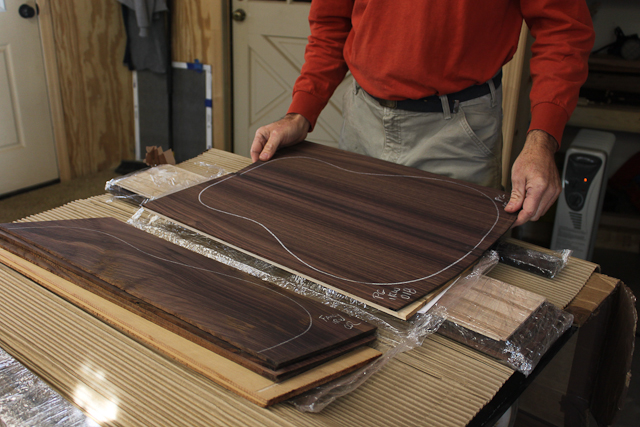
When it comes to building guitars, one of the most debated topics in the luthier community revolves around guitar tonewoods. For centuries, instrument makers have carefully selected woods for their tonal properties, durability, and aesthetics. However, myths and misconceptions often cloud the decision-making process for both beginners and experienced builders. Understanding the difference between fact and fiction is essential—not only to improve craftsmanship but also to ensure reliable choices when working with luthier tonewood.
Table of Contents
- Myth 1: All Guitar Tonewoods Sound the Same
- Myth 2: Exotic Woods Are Always Better
- Myth 3: Sustainability Doesn’t Matter in Guitar Making
- Myth 4: Any Supplier Provides the Same Quality
- Myth 5: Tonewoods Don’t Need Special Care
- Conclusion
Myth 1: All Guitar Tonewoods Sound the Same
The Reality of Tone Variation
Not all guitar tonewood resonates equally. Different species carry unique densities, grains, and moisture levels, each influencing the guitar’s tonal character. For instance, mahogany tends to provide warmth and depth, while spruce often delivers brightness and clarity.
This is why two guitars built with the same design but different tonewoods can sound entirely distinct. Subtle differences in grain and texture can create unique resonance, giving each instrument its own personality.
Why Luthiers Care About Wood Selection
Professional luthiers know that tone is shaped by the harmony between craftsmanship and wood selection. The right luthier wood supply allows for precision in creating instruments that not only look beautiful but also sound exceptional.
For builders, the process of selecting wood goes beyond appearance; it’s about predicting how the material will age, resonate, and respond to a player’s touch over time. That foresight is what separates average builds from heirloom-quality instruments.
Myth 2: Exotic Woods Are Always Better
Debunking the Exotic Wood Obsession
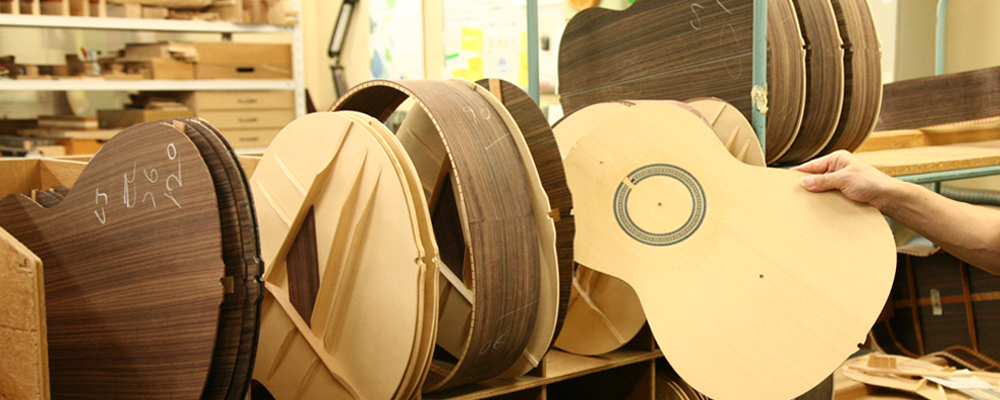
Many assume that exotic woods guarantee superior sound, but that isn’t always the case. While Brazilian rosewood or cocobolo can be stunning, commonly available tonewoods like maple and mahogany can match or even outperform them depending on the build.
Accessibility and Responsible Choices
The reliable luthier wood suppliers encourage builders to consider both sustainability and performance. High-quality guitars can be crafted with responsibly sourced domestic woods, ensuring longevity without harming global ecosystems.
Myth 3: Sustainability Doesn’t Matter in Guitar Making
The Growing Importance of Ethical Sourcing
Today, luthiers and players alike value transparency. Working with reputable guitar wood suppliers ensures materials come from ethical sources. Ignoring sustainability can damage both the environment and a brand’s reputation.
How Suppliers Make a Difference
Suppliers like Pacific Rim Tonewoods, recognized as one of the best in the industry, demonstrate how responsible sourcing can align with superior product quality. By balancing craftsmanship with environmental care, they set the gold standard for luthier tonewood supply.
Myth 4: Any Supplier Provides the Same Quality
The Value of Trustworthy Partnerships
Not all luthier wood suppliers are created equal. Experienced builders often rely on long-term relationships with proven providers. Inconsistent wood quality can lead to cracks, poor resonance, or unstable builds.
A reliable supplier does more than just sell wood—they act as a partner in the creative process, offering guidance on selection, storage, and usage to help luthiers achieve the best possible results.
What to Look For in a Supplier
When choosing guitar wood suppliers, luthiers should pay attention to grading systems, drying methods, and reputation in the community. Trusted names like Pacific Rim Tonewoods offer consistency, ensuring each piece meets professional standards.
Beyond quality, dependable suppliers also provide transparency about sourcing, ensuring builders can craft instruments with confidence while supporting ethical and sustainable practices.

Myth 5: Tonewoods Don’t Need Special Care
The Reality of Wood Sensitivity
Luthier tonewood is a living material that reacts to humidity and temperature. Many beginners assume that once purchased, tonewoods will remain stable. The truth is, poor storage can compromise quality.
Even minor fluctuations in climate can cause swelling, shrinking, or warping, which may permanently alter the wood’s tonal potential. This makes proper handling just as important as the initial purchase.
Best Practices for Preserving Tonewoods
To maintain wood quality, luthiers should:
- Store wood in climate-controlled environments
- Avoid rapid humidity changes
- Stack tonewoods with proper ventilation
- Regularly inspect for cracks or warping
Following these practices ensures that luthier wood supply remains durable and dependable for future builds. Proper care not only protects the tonal integrity of the wood but also saves costs in the long run. It gives luthiers the confidence that every piece of guitar wood will deliver consistent results in their instruments.
FAQs About Guitar Tonewoods
What are the most popular guitar tonewoods?
Spruce, mahogany, maple, and rosewood are among the most widely used due to their proven tonal qualities. They offer a balance of resonance, durability, and workability, making them favorites among luthiers.
Do sustainable tonewoods affect sound quality?
No. Responsibly sourced tonewoods can perform just as well, and often provide added stability. In fact, sustainable options often undergo stricter quality checks, ensuring reliability.
How do I choose the right guitar wood for my project?
Consider your instrument type, tonal goals, and consult with expert guitar wood suppliers for recommendations. Experimenting with sample cuts can also help you understand tonal differences before committing.
Are synthetic alternatives to tonewoods effective?
While alternatives exist, natural luthier tonewood remains the gold standard for tonal richness and acoustic depth. Some builders use synthetics for durability, but they rarely replicate the warmth of real wood.
How can I ensure the tonewoods I buy are high quality?
Work with reputable luthier wood suppliers who provide detailed grading and sourcing transparency. Asking about drying methods and storage practices can also help confirm quality.
Conclusion
The world of guitar tonewoods is filled with both traditions and misconceptions. By separating myths from facts, luthiers can make informed choices that elevate their craftsmanship. Whether you are just starting or refining your skills, relying on trusted guitar wood suppliers is key. Responsible sourcing, careful storage, and the right guidance from experts will ensure your builds stand the test of time—both in sound and beauty.